Services
Pakistan Bureau of Statistics National Datacenter Powers Critical Data for 200M+ Citizens
Building Pakistan’s National Data Backbone
How CDigital strengthened Pakistan Bureau of Statistics’ core: National Datacenter Powers Critical Data for 200M+ Citizens
About The Client
The Pakistan Bureau of Statistics (PBS) is Pakistan’s central authority for national data, producing population, economic, labor, and agriculture statistics that shape government planning and public policy. Managing millions of data points annually, PBS required a modern, secure, and scalable datacenter ecosystem — a transformation delivered by CDigital.
Challenge
PBS was operating on aging, fragmented infrastructure that could no longer support the scale and sensitivity of Pakistan’s national data systems. With no centralized datacenter, no disaster-recovery capability, recurring performance bottlenecks, cybersecurity gaps, and limited technical readiness, the organization faced serious operational risk. For an institution powering economic planning, census operations, and national policy, a modern digital backbone wasn’t optional — it was mission-critical for Pakistan’s future.
Key Features:
- 230M Resident’s Data Processed Through PBS Datacenters
- 99%+ System Uptime Increase
- Millions of Records Ingested Daily Across All Provinces
Delivered Services:
- Datacentre Engineering & EPC
- Hardware Deployment (HCI, SAN, Compute)
- Network & Security Infrastructure
- Monitoring & Endpoint Security
- Civil Works & Legacy Datacentre Migration
- Staff Training & Documentation
Transforming Land Governance for 4 Million Citizens in AJ&K
Transforming Land Governance in AJ&K
How CDigital Modernized AJ&K’s Land Record System With a Unified Digital Infrastructure, Secure Networking & Real-Time Service Delivery
About The Client
The AJ&K Information Technology Board leads the region’s digital governance and public service modernization initiatives. Serving over 4 million people across a mountainous and disaster-prone region, the IT Board is responsible for upgrading government infrastructure and ensuring transparent, efficient service delivery. With land administration historically dependent on manual records and scattered tehsil offices, the government launched a program to build fully integrated Digital Service Centers (DSCs). CDigital was selected to design and deliver the complete digital ecosystem.
Challenge
AJ&K’s land record system was fragmented, manual, and highly vulnerable. Each tehsil maintained separate records with no centralized database, real-time updates, or workflow standardization. Outdated servers, no disaster recovery, unreliable connectivity, and weak security controls made operations slow and error-prone. Citizens faced long queues and inconsistent service, while staff lacked the technical training to manage modern systems. A full transformation of infrastructure, security, connectivity, and institutional capability was urgently required.
Key Features:
- 4M+ Residents Connected to Governance System
- 15 Digital Service Centers Established across AJ&K
- 1000+ Daily Transactions now Processed Digitally
- 30+ Enterprise-Grade Servers Powering LRMIS Database
Delivered Services:
- Digital Service Center Deployment
- Networking & Secure Connectivity
- Data Center & DR Setup
- Hardware Procurement
- LRMIS Installation
- CCTV, Biometrics & Security
- Staff training & SOPs
- Civil & interior works
KP Launches Pakistan’s #1 Tourism Intelligence Platform
Modernizing Tourism Intelligence in Khyber Pakhtunkhwa
How CDigital Built Pakistan’s #1 Tourism Management System — Awarded Winner at the P@SHA ICT Awards 2025
About The Client
The Khyber Pakhtunkhwa Integrated Tourism Development Project (KITE) is the government’s flagship, World Bank–supported initiative to transform KP into a globally competitive tourism destination. By developing Integrated Tourism Zones, improving access infrastructure, preserving heritage, and strengthening environmental sustainability, KITE is reshaping the province’s tourism economy. To meet rising demand and modernize services, KITE needed an intelligent Tourism Management Information System (TMIS) — a transformation delivered in partnership with CDigital.
Challenge
KP’s existing Tourism Management Information System (TMIS) could no longer keep pace with the province’s rapidly growing tourism sector. The platform was fragmented and outdated, lacking modern UI/UX, multilingual support, advanced search, mapping, or cultural integration. Critical functions — licensing, inspections, HR, FMIS, and inventory — were manual and slow, with no real-time dashboards. The system also faced serious scalability and security limitations, from weak authentication to poor database structure and no load balancing. With no unified platform for KP’s heritage, arts, cuisine, and tourism assets, the ecosystem remained disconnected. A complete digital overhaul was essential — modern, scalable, secure, and built for future expansion.
Key Features:
- 7,000+ Tourism Assets Digitized
- 50%+ Time Reduction in Licensing Inspections
- 500+ Licensing & Inspection Workflows Shifted to Digital Operations
Delivered Services:
- TMIS Revamp & Mobile App Development
- Cultural Mapping & Digital Archives
- Licensing + Inspections Automation
- API Integrations & Data Migration
- Enterprise MIS Modules
- Training & Documentation
- Maintenance & Support
A New Era of Citizen-Centric Driving Licensing in AJ&K
Transforming Driving License Management in AJ&K
How CDigital Digitalized an Entire Provincial Licensing System — Enhancing Security, Speed & Public Trust
About The Client
The AJ&K Information Technology Board, the region’s lead agency for digital transformation, is driving modernization under the Master Implementation Plan. To strengthen governance and improve public services, the AJ&K Police partnered with CDigital to replace manual, paper-based licensing with a centralized, secure digital driving license system — one of the region’s earliest milestones in e-governance.
Challenge
AJ&K’s driving license system was fully manual, leading to delays, frequent errors, and low operational efficiency. With no digital workflows, weak infrastructure, and high security vulnerabilities, the process lacked reliability, transparency, and data protection. Modernizing this system was essential to enable secure, efficient, and citizen-friendly licensing services.
Key Features:
- 10 District Police Units Connected to Central Licensing System
- 24/7 Digital Verification Portal Operational across AJ&K
- 1.5M+ Residents Served
Delivered Services:
- DLMS Software Development
- IT & Security Infrastructure Setup
- Workflow Automation
- CCTV + Biometrics
- Backup & Disaster Recovery
- Queue Management System
- Renovation & Service Center Setup
- Staff Training & Support
Revolutionizing AJK’s Power Sector with a Unified Digital System
Building First Unified Province-Wide Digital Utility System
How CDigital Modernized AJKED’s Consumer Billing Infrastructure & Administrative Systems at Scale
About The Client
The AJK Electricity Department (AJKED) oversees thousands of employees, dozens of offices, and a rapidly expanding consumer base across Azad Jammu & Kashmir. For years, manual workflows and fragmented, paper-based systems created operational bottlenecks, revenue gaps, and governance challenges. To enable a transparent, scalable, and digitally empowered utility, AJKED partnered with CDigital to modernize its core IT infrastructure — laying the foundation for a fully digital power-sector ecosystem.
Challenge
AJKED’s utility operations were heavily paper-driven, resulting in delays, errors, and limited transparency. With no centralized data visibility, departments worked in isolation, making reconciliation and reporting slow and unreliable. Outdated hardware, missing backups, and the absence of disaster recovery created serious security and reliability risks. Customer services also suffered, with long queues, repeated visits, and high complaint volumes. AJKED needed a modern digital backbone to support its ERP ecosystem and transition to fully integrated utility governance.
Key Features
- 10 Districts Digitally Enabled
- 100+ Offices Integrated Into One System
- 500+ Government Employees Covered
Delivered Services
- IT Infrastructure
- Hardware Supply
- Systems Integration
- ERP Enablement
- Training & Support
110,000+ Judgments Digitized as AJK & KP Take a Leap Toward E-Justice
The Largest Judicial Digital Transformation in AJ&K’s History
How CDigital Replaced Manual Court Processes With a Modern, Connected & Future-Ready Judicial System
About The Client
The AJK Information Technology Board, in partnership with the AJK Judiciary, Supreme Court of AJK, and Khyber Pakhtunkhwa Judiciary, leads the region’s judicial digital transformation. These institutions oversee justice delivery across hundreds of courts, serving millions of citizens. Historically dependent on manual case handling, paper-based judgments, and disconnected court systems, the judiciary required a unified digital framework to improve transparency, efficiency, and public access. CDigital was engaged to modernize this ecosystem through automation, digitization, and integrated ICT infrastructure.
Challenge
The judicial system operated through fragmented, manual, and paper-driven workflows, resulting in delays, limited transparency, and operational inefficiencies. Courts lacked digital case management, automated reporting, and centralized data visibility. Over 110,000+ judgment pages existed only in vulnerable physical form, with no searchable archives. Citizens had no digital access points—no IVR, kiosks, or online case status. Additionally, the High Court, Lower Courts, and Supreme Court branches functioned independently, with no synchronized MIS or real-time connectivity. The absence of standardized processes and limited staff readiness made digital adoption even more challenging. The judiciary needed a complete, end-to-end modernization.
Key Features:
- 32 Tehsils Covered
- 80+ Court Processes Automated
- 100,000+ Total Cases Registered
Delivered Services:
- End-to-End Software Development
- IT & Hardware Infrastructure Deployment
- Workflow Automation & Database Centralization
- Facility Renovation & Operational Setup
- Staff Training
- Maintenance & Support
Building 300+ IT Labs Across AJK & KPK to Power the Next Generation of Digital Learners
Rebuilding the Academic Digital Backbone at National Scale
How CDigital Built 300+ IT Labs to Empower a Generation of Learners Across AJK & KPK
About The Client
The AJK IT Board, Higher Education Department Muzaffarabad, and the Government of Khyber Pakhtunkhwa collectively oversee some of Pakistan’s largest education and digital literacy initiatives. Responsible for modernizing public schools, colleges, and universities across two regions, these institutions are committed to bridging the digital divide and preparing students for a technology-driven future. Their mandate includes enabling equal access to ICT facilities—especially in remote, underserved, and post-disaster districts—while uplifting academic infrastructure to meet global standards.
Challenge
Despite strong demand for digital learning, public institutions across AJK and KPK faced severe digital inequality. Many schools had no computer labs, while others relied on outdated hardware, unreliable power, and inconsistent infrastructure. Training gaps prevented teachers and students from building essential IT competencies. Universities required modern labs to support research, STEM education, and advanced learning tools. The absence of standardized ICT environments across institutions created fragmented learning experiences. Ultimately, the regions lacked the digital foundation needed to deliver modern education at scale, limiting student opportunity and institutional progress.
Key Features:
- 300+ Computer Labs Across AJK & KPK
- 100+ Schools, Colleges, Universities
- 100,000+ Students Gain Digital Access
Delivered Services:
- Turnkey IT Labs Deployment
- Networking & Power Infrastructure
- Hardware Procurement & Installation
- Training & Operational Support
- Civil & Renovation Works
World’s Largest Water Telemetry Modernization Project across the Indus Basin
World’s Largest Water Telemetry Modernization Project across the Indus Basin
How CDigital Is Delivering a Nation-Scale Telemetry System to Transform Real-Time Water Management Across 27 Sites
About The Client
The Pakistan Water and Power Development Authority (WAPDA) manages Pakistan’s major water infrastructure, including dams, barrages, and hydropower operations. As the country’s central water authority, WAPDA depends on accurate flow data to manage river systems and support national water security. The Indus River System Authority (IRSA) ensures fair, transparent water distribution among provinces under the Water Apportionment Accord. Historically, both institutions relied on manual gauge readings and scattered field reporting — limiting accuracy, slowing operations, and creating governance challenges. To address these issues at a national scale, the Government initiated the Telemetry Project for the Indus Basin, selecting CDigital to deliver a unified, modern water monitoring system across 27 critical sites.
Challenge
Pakistan’s Indus Basin — one of the world’s most complex river systems — operated with no real-time intelligence, leaving IRSA with delayed, inconsistent, and non-transparent water data. Manual measurements caused inaccuracies and slowed critical decisions. Aging civil structures, faulty sensors, and non-functional flumes limited measurement reliability. The absence of a centralized system resulted in fragmented data, zero system-wide visibility, and increasing provincial disputes. Climate variability further magnified risks, with unpredictable flows demanding faster and more precise telemetry. IRSA required a complete modernization — not just sensors, but an integrated, end-to-end, tamper-proof water governance system.
Key Features
- 3000+ km Digitally Monitored Water Network
- Real-Time Transparency for Regional Water Governance
- 3500+ Gate-Position & Water-Level Sensors Deployment
Delivered Services
- EPC deployment of 27-Site Telemetry System
- Real-Time Sensing & SCADA Integration
- Redundant Communication Network
- Civil & Power Setup (AC + Solar)
- Central Dashboards & Control Rooms
- Training & Operational Readiness
Empowering WAPDA With Real-Time Intelligence for National Water Security
Modernizing Pakistan’s Flood Forecasting Infrastructure
How CDigital Helped WAPDA Transform Pakistan’s Flood Forecasting System With Automated Sensors, Satellite Connectivity & Predictive Data Intelligence
About The Client
WAPDA’s Hydrology & Research Directorate is Pakistan’s central authority for flood forecasting, river management, and hydrological analytics. Responsible for monitoring climate-sensitive mountain catchments and major river basins, the Directorate plays a critical role in protecting millions of people from flood risks. Historically dependent on manual field readings and delayed data transmission, WAPDA required a modern, automated system to generate accurate, continuous, and real-time hydrological intelligence. The EU–Asia Investment Facility and AFD supported this major transformation to advance Pakistan’s climate resilience.
Challenge
Pakistan’s flood-prone river basins demanded precise, round-the-clock hydrological intelligence, yet WAPDA’s monitoring systems remained largely manual, fragmented, and outdated. Field teams relied on delayed and inconsistent readings from remote mountainous locations, limiting the accuracy of flood forecasts and diminishing early-warning lead times. The Warsak catchment lacked automated measurement tools, while the cross-border Kabul River offered no real-time visibility for coordinated decision-making. Without predictive dashboards, automated alarms, or reliable communication channels, legacy systems could not support modern flood forecasting or climate-risk management. WAPDA required a fully automated telemetry network capable of delivering continuous, high-quality data essential for national water security.
Key Features:
- 09 Flood Forecasting & Weather Telemetry Stations
- Hydromet Intelligence Over the Upper Indus Basin Region
- 44+ Advanced Hydromet Sensors Integrated
- 24/7 Centralized Flood Forecasting & Early-Warning Center
Delivered Services:
- Hydromet Station Installation
- GSM + Satellite Telemetry Integration
- Solar Power and Backup Design
- Centralized Data Center development
- Predictive Flood Alert System
- Training and Capacity Building
KP’s Flood Forecasting Transformed through Smart Hydrological Monitoring
Real-Time Hydrology & Flood-Alert Network for Khyber Pakhtunkhwa
How CDigital Helped Transform Flood Forecasting & Water Management in a Climate-Vulnerable Province
About The Client
The Hydrology Division of the Irrigation Department, Government of Khyber Pakhtunkhwa, is responsible for monitoring river flows, managing flood risks, and supporting irrigation operations across one of Pakistan’s most climate-sensitive regions. With diverse river basins, complex terrain, and rapidly evolving weather patterns, the department plays a critical role in safeguarding communities and ensuring sustainable water use. However, much of its monitoring infrastructure relied on outdated, manual processes, making it difficult to generate reliable, real-time hydrological intelligence. To strengthen resilience and modernize water governance, the department partnered with CDigital to upgrade its monitoring network to global standards.
Challenge
Khyber Pakhtunkhwa’s hydrological network was outdated and unable to support the rapid, climate-driven changes affecting the province. Critical discharge stations relied on manual measurements, which resulted in delayed reporting, inconsistent readings, and poor data reliability during peak flood events. The absence of integrated telemetry meant that field teams relied on phone-based updates, offering little accuracy or real-time visibility for decision-makers. Without centralized dashboards, automated alerts, or standardized infrastructure such as secure fencing and safe deployment platforms, both equipment and personnel faced operational limitations. As a result, KP’s hydrology teams lacked the continuous, high-quality data required for timely flood forecasting, irrigation planning, and water resource management.
Key Features:
- 22 Discharge Monitoring Stations Installed
- 08 Rain-Gauge Stations Deployed
- 400+ km of Flood-Sensitive River Corridors Monitored
- Provincial Water Management Strengthened
Delivered Services:
- Automated Hydrological Monitoring
- Telemetry Systems (GPRS/3G/4G)
- Cloud Data Integration (OTT Hydromet)
- Civil & Marine Infrastructure Works
- Training & Technical Capacity Building
Protecting Pakistan’s Hydropower Future Through Scientific Sediment Monitoring
Sustainable Sediment Monitoring for Warsak Reservoir
How CDigital Delivered Pakistan’s First Integrated Sediment Monitoring & Analysis Ecosystem
About The Client
WAPDA is Pakistan’s central authority for water resource development and hydropower generation. As climate pressures rise and reservoirs age, sedimentation has become a major threat to national water security. The Warsak Reservoir, a critical hydropower and irrigation asset in Khyber Pakhtunkhwa, has experienced decades of storage loss due to uncontrolled sediment inflow. To address this challenge, WAPDA engaged CDigital to establish the country’s first modern, integrated sediment monitoring ecosystem — enabling reliable, scientific, and continuous sediment data for operational decision-making.
Challenge
Warsak’s storage capacity had been declining for years, yet decision-makers lacked accurate, timely sediment data. Monitoring was manual, inconsistent, and disconnected between the field and laboratory stages. WAPDA had no standardized workflow for sampling, analysis, or reporting, and no dedicated laboratory for sediment characterization. Field operations were difficult due to outdated equipment and hazardous deployment conditions. To ensure long-term sustainability, WAPDA needed not just instruments — but a complete operational ecosystem supported by trained teams and integrated workflows.
Key Features:
- 04 Sediment Monitoring Stations Installed
- 04 Water Quality Sensors Deployed
- Complete Field-to-Lab Sediment Analysis Framework
- ADCP-Based River & Reservoir Profiling Implemented
Delivered Services:
- Hydrological Instrumentation
- Laboratory Setup
- Data Systems Integration
- Civil & MEP Works
- Training & Capacity Building
A unified Groundwater & Surface Water Monitoring System in FATA
Bringing Reliable Water Intelligence to One of Pakistan’s Most Underserved Regions
How CDigital Built the First Standardized Hydrological Monitoring Framework in the Merged Districts of KP
About The Client
The Government of Khyber Pakhtunkhwa (KP), through its Irrigation Department for the Merged Areas, is responsible for managing water resources across seven newly integrated districts of former FATA. These regions have long faced infrastructure gaps, limited hydrological data, and severe vulnerability to drought and climate variability. Following the administrative merger, KP initiated strategic reforms to establish reliable monitoring systems for groundwater, rainfall, and surface flows. CDigital was selected to deliver the region’s first standardized hydrological monitoring framework — enabling data-driven water management for communities historically reliant on fragmented, manual observations.
Challenge
The Merged Areas lacked the foundational hydrological data required for informed planning and sustainable resource management. Groundwater levels were checked manually, rainfall was recorded inconsistently, and no standardized infrastructure existed to protect instruments from damage or tampering. Surface water monitoring tools were either outdated or unavailable, limiting the ability to measure stream or canal flows accurately. With no remote data transmission or centralized visibility, planners and irrigation teams operated without real-time insight into water trends. This absence of structured, trustworthy water intelligence hindered agricultural planning, groundwater sustainability, and climate resilience across the region.
Key Features:
- 12 Automated Groundwater Monitoring Stations Installed
- 07 Merged Districts Monitored
- 1M+ Resident’s Water Security Improved
- Integrated Field-to-Dashboard Workflow
Delivered Services:
- Automated Groundwater Monitoring System Installation
- Surface-Water & Rainfall Measurement Tools Deployment
- Steel Protection Cabins & Civil Work
- GSM/GPRS Data Transmission Setup
- Field Hydrology Toolkit Supply
- Training & Capacity Building
The First Unified AWS Network Transforming KP’s Climate Monitoring
Automating Weather Intelligence in KP’s Merged Districts
How CDigital Deployed Modern Automatic Weather Stations (AWS) to Transform Climate Monitoring Across Khyber, Mohmand & Bajaur
About The Client
The FATA Water Resources Development Project (FWRDP), under the Planning & Development Department of the Government of Khyber Pakhtunkhwa, is mandated to strengthen water and climate resilience across the newly merged districts — some of Pakistan’s most underserved and climate-vulnerable regions. With rising weather extremes and limited institutional capacity, the region required a modern meteorological backbone to support disaster preparedness, agriculture, flood forecasting, and long-term climate planning. FWRDP partnered with CDigital to establish the first automated weather monitoring network in Khyber, Mohmand, and Bajaur — moving the region from manual observations to real-time, scientific weather intelligence.
Challenge
The merged districts had no automated meteorological infrastructure, leaving authorities blind to rapidly changing weather patterns. Climate monitoring relied heavily on manual readings that were often delayed, inconsistent, and prone to human error. Without digital sensors, forecasting systems, or real-time visibility into rainfall, storms, temperature spikes, or humidity levels, the region lacked the data needed for agricultural advisories, flood preparedness, and emergency response. Limited institutional capacity and the absence of a unified data platform further weakened planning and coordination. This lack of reliable weather intelligence left communities highly vulnerable to climate shocks and operational uncertainty.
Key Features:
- 06 Automated Weather Stations
- 03 District’s Climate Monitored
- Improved Forecasting & Early Warning
- Centralized AWS Data & Monitoring
Delivered Services:
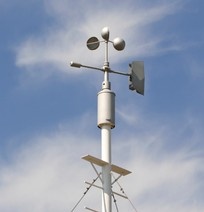
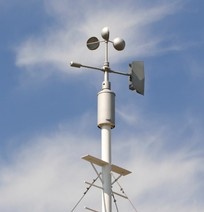
- Deployment of Automatic Weather Stations (AWS)
- Multi-Sensor Weather Instrumentation
- Hybrid Telemetry & Cloud Integration
- Solar-Powered Autonomous Operations
- Rugged Field Installation
- Training & Capacity Building
A High-Accuracy Hydrological Network for the Neelum Basin
Telemetric Stream Gauging Stations on the Neelum River
How CDigital Delivered Automated Streamflow Intelligence Across Pakistan’s Most Remote Mountain Corridors
About The Client
The Water and Power Development Authority (WAPDA), through its Hydrology & Research Directorate, is responsible for monitoring Pakistan’s river systems to support hydropower generation, flood forecasting, and national water regulation. The upper Neelum Basin — feeding the Neelum Jhelum Hydropower Plant and impacting downstream reservoirs — is one of the country’s most strategically important yet logistically challenging hydrological zones. With funding support from the Neelum Jhelum Hydropower Company (NJHPC), WAPDA partnered with CDigital to establish the first modern telemetry-enabled stream gauging network in the Neelum Valley. This initiative aimed to replace manual, weather-dependent measurements with continuous, high-accuracy, real-time flow intelligence.
Challenge
The Neelum Valley presented one of Pakistan’s most difficult hydrometric environments: steep mountain corridors, harsh winters, frequent landslides, and vast zones without power or GSM coverage. WAPDA lacked automated monitoring capabilities, relying instead on manual gauge readings that were often delayed, unsafe to collect, and prone to human error — especially during peak flow periods. The absence of real-time, validated flow data limited inflow forecasting for the Neelum Jhelum Hydropower Plant and reduced early-warning capability for flash floods. Remote locations, communication gaps, and hazardous field access compounded operational risks, leaving a critical national hydropower corridor without reliable hydrological intelligence.
Key Features:
- 04 Real-Time Stream Flow Stations
- 10M+ Population Positively Impacted
- Advanced Cross-Section & ADCP Discharge Profiling
- High-Altitude Hydromet Monitoring in Remote Valleys
Delivered Services:
- Non-Contact Hydrological Sensing
- ADCP-Based River Profiling & Hydraulic Calibration
- Hybrid Telemetry (Satellite + GSM)
- Cloud-Based Hydromet Platform
- Autonomous Power Infrastructure
- Training & Capacity Building
Real-Time Water Governance for 21 Million Acres: Punjab’s RTFM Revolution
Empowering Punjab’s Irrigation System with Real-Time Flow Monitoring System
How CDigital Delivered a Province-Wide Telemetry System to Modernize Water Distribution & Improve Irrigation Governance Across Punjab
About The Client
The Punjab Irrigation Department (PID) operates the world’s largest contiguous irrigation network, supplying water to millions of acres of farmland across Punjab. For over a century, this network relied heavily on manual gauge readings and field observations — creating delays, inconsistencies, and operational blind spots. To modernize water distribution and strengthen governance, PID, in partnership with the PMO for Punjab Barrages, engaged CDigital to design and deploy a province-wide Real-Time Flow Monitoring (RTFM) system. This initiative marks Punjab’s first transition toward fully automated hydrological monitoring, integrated telemetry, and centralized water intelligence.
Challenge
Before CDigital’s intervention, PID lacked a unified digital view of its vast irrigation network. Manual gauge readings, subjective measurement practices, and delayed field reporting meant that canal operations were reactive rather than data-driven. Critical blind spots existed across barrages, canals, and distributaries, making it difficult to detect imbalances, flow theft, or operational inefficiencies. With no centralized monitoring platform, data remained fragmented in field registers instead of analytics dashboards. These limitations increased the risk of misallocation, water loss, and inconsistent water delivery — highlighting the urgent need for a modern, automated telemetry system.
Key Features:
- ~170M m³/day Water Flows Monitored
- 40+ Real-Time Flow Stations Installed
- 130+ Hydromet Sensors Deployed
- Real-Time Insights Across Punjab’s Canal Commands
Delivered Services:
- Deployment of Real Time Flow & Water-Level Monitoring Stations
- Province-Wide Telemetry & Communication Network Integration
- Solar-Based Autonomous Power Systems
- Centralized Command Center & Analytics Platform Setup
- Civil, Structural & Field Infrastructure Works
- Training & Capacity Building
5 MW Solar Power Plant – POF Sanjwal
Powering Strategic Defence Manufacturing Through Renewable Energy
How CDigital Executed a 5 MW Utility-Scale Solar Power Plant at POF Sanjwal, Supporting Energy Resilience in a High-Security Defence Environment
About The Client
Pakistan Ordnance Factories is one of Pakistan’s most critical strategic organizations, responsible for defence manufacturing, storage, and associated industrial operations. Its facilities manage large-scale production units, high-value assets, and sensitive processes that demand uninterrupted power availability, operational reliability, and strict adherence to safety and security standards. With rising energy costs and increasing operational scale, POF has progressively moved toward on-site power generation and energy diversification—particularly through renewable energy initiatives—to enhance resilience while reducing reliance on conventional grid supply.
Challenge
POF Sanjwal was operating within a high-security, continuously active defence manufacturing environment with substantial and uninterrupted energy requirements. The facility relied heavily on conventional power sources, exposing operations to supply instability and escalating energy costs while increasing operational risk for sensitive industrial processes. Any power disruption could directly impact production continuity, asset protection, and safety compliance. The challenge was to execute a utility-scale solar power project within an operational defence installation—without disrupting ongoing activities—while strictly adhering to approved engineering designs, quality standards, safety regulations, security protocols, and contractual timelines.
Key Features:
- 5 MW utility-scale solar power plant installation
- On-site renewable power generation for defence manufacturing operations
- Execution within an active, high-security industrial environment
- Compliance with approved engineering designs and specifications
- Integration with existing electrical infrastructure
- Strict adherence to safety, quality, and security standards
Delivered Services:
- Engineering execution and construction works
- Electrical and mechanical installation of solar plant systems
- Power integration and coordination with internal electrical infrastructure
- Site execution management and construction scheduling
- Quality assurance, inspections, and compliance documentation
- Safety, environmental, and security-compliant construction practices
- Coordination with main contractor and client representatives
- Support during testing, commissioning, and acceptance processes
Security Verification & Biometric Access Systems for Airports Security Force (ASF)
Strengthening Aviation Security Through Biometric Verification & Access Control
How CDigital Delivered a Secure, Biometric-Based Verification & Alarm System to Enhance Access Control and Operational Security for Airports Security Force (ASF)
About The Client
The Airports Security Force (ASF) operates under the Cabinet Secretariat (Aviation Division), Government of Pakistan, and is the primary agency responsible for aviation security across Pakistan’s airports. ASF safeguards passengers, aircraft, airport infrastructure, and sensitive aviation assets through integrated physical security, access control, surveillance, and identity verification systems. With the expansion of air travel and evolving threat landscapes, ASF has increasingly adopted technology-enabled security mechanisms to meet national and international aviation security requirements.
Challenge
Prior to the project, ASF relied on largely manual and fragmented identity verification and access-control processes, increasing the risk of unauthorized access and operational inconsistency across high-security aviation environments. Limited integration between biometric verification, alarm systems, and centralized records constrained real-time monitoring, auditability, and accountability. ASF required a secure, tamper-resistant, and scalable solution that could operate reliably in mission-critical airport environments while complying with stringent government security protocols, durability standards, and inspection requirements.
Key Features:
- Biometric-based identity verification mechanisms
- Secure access control and verification workflows
- Integrated alarm and monitoring functionality
- Centralized verification and control architecture
- Tamper-resistant, government-compliant hardware
- Power-backup and reliability-focused system design
- Warranty-backed equipment suitable for aviation security environments
Delivered Services:
- Turnkey supply of security verification and biometric equipment
- Installation and system commissioning at ASF-designated locations
- Integration of verification devices with alarm and monitoring components
- Functional testing and acceptance through ASF inspection authorities
- Delivery of documentation, warranties, and compliance records
- Post-deployment assurance aligned with contractual obligations
City-Wide Video Surveillance System – Gilgit City
Transforming Urban Security in Gilgit City Through Integrated Video Surveillance
How CDigital Designed & Deployed a City-Wide, IP-Based Surveillance Ecosystem for 24/7 Situational Awareness and Proactive Policing
About The Client
The Government of Gilgit-Baltistan (GoGB) is responsible for governance, public safety, and socio-economic development across the Gilgit-Baltistan region. Owing to its strategic geographic location, complex terrain, and expanding urban centers, GoGB places strong emphasis on public security, surveillance, and situational awareness to safeguard citizens, protect critical infrastructure, and enable effective law-enforcement coordination. With increasing urban activity in Gilgit City, the Government recognized the need to transition from manpower-intensive monitoring toward a technology-driven, centrally managed surveillance framework to support modern policing and city governance.
Challenge
Prior to the project, Gilgit City lacked real-time visibility across key public spaces, entry and exit points, and sensitive locations, resulting in fragmented monitoring and delayed incident response. The absence of centralized surveillance and continuous recording limited proactive policing, evidence collection, and coordinated law-enforcement operations—particularly across geographically dispersed and terrain-challenged urban areas. Given the city’s sensitive security environment, the challenge was to deploy a reliable, scalable, and centrally managed surveillance system capable of continuous operation, rapid incident response, and long-term data retention while supporting multiple control rooms and future expansion.
Key Features:
- City-wide IP-based video surveillance coverage
- Fixed, PTZ, and panoramic CCTV camera deployment
- ≥30 days continuous video recording and storage
- Multi-control-room command and monitoring architecture
- 360-degree situational awareness at selected strategic points
- Secure networking and data transmission infrastructure
- First wireless surveillance system deployed in Gilgit-Baltistan
- 85 CCTV cameras installed across Gilgit City
Delivered Services:
- Detailed system design and engineering aligned with city topology
- Supply and installation of CCTV cameras and field equipment
- Deployment of recording, storage, and VMS infrastructure
- Integration of cameras, control rooms, and centralized monitoring
- Configuration of PTZ presets and panoramic monitoring zones
- Testing, commissioning, and system validation
- Operator training, SOPs, manuals, and maintenance planning
Integrated Security & Surveillance System for Pakistan Ordnance Factories (POF)
Securing Pakistan’s Strategic Defence Manufacturing Infrastructure
How CDigital Delivered a Multi-Layered, Integrated Security & Surveillance Ecosystem Across Pakistan Ordinance Factories’ Critical Industrial Facilities
About The Client
Pakistan Ordnance Factories (POF) is a premier defence manufacturing organization of Pakistan, responsible for the production, storage, and handling of strategic defence equipment and materials. POF operates multiple large-scale industrial installations across Wah, Sanjwal, and Havelian, employing thousands of personnel and managing high-value, sensitive inventories.
Given the strategic importance of its facilities, POF maintains strict security protocols and continuously enhances its security posture to safeguard critical assets, personnel, and sensitive operations against evolving threats.
Challenge
Prior to the project, POF was operating with outdated and fragmented security infrastructure that relied heavily on manual, manpower-intensive measures. Limited real-time visibility across entry points, production facilities, storage areas, and internal circulation zones constrained proactive threat detection and timely response. The absence of centralized monitoring, recording, and analytics further increased exposure to security risks across geographically dispersed and highly sensitive defence manufacturing facilities. The challenge was to establish a modern, integrated, and scalable security framework capable of providing continuous situational awareness, deterrence, and rapid response while meeting stringent defence-sector security requirements.
Key Features:
- Integrated, multi-layered security architecture across three POF locations
- Fixed CCTV and high-speed PTZ (speed dome) camera surveillance
- Centralized and zoned monitoring through control rooms
- Vehicle and personnel screening at all major access points
- Under Vehicle Scanning Systems (UVSS) at critical gates
- Walk-through metal detection gates and handheld detectors
- Road blockers for controlled vehicle access
- Centralized recording, live viewing, and remote monitoring capability
Delivered Services:
- Detailed security system design and zoning architecture
- Supply and installation of CCTV, PTZ cameras, and DVR systems
- Deployment of UVSS, metal detectors, and road blockers
- Development of central and sub-control rooms with display systems
- Fiber-optic and structured cabling infrastructure deployment
- Integration of surveillance, access control, and monitoring systems
- System testing, commissioning, and acceptance support
- Operator training, system handover, and documentation
3.05 MW Grid-Tied Solar Power Systems for PCSIR Laboratories
Powering Pakistan’s National Research Infrastructure with Clean Energy
How CDigital Delivered a Multi-Site, Grid-Tied Solar Energy Ecosystem to Enable Sustainable Operations Across PCSIR Laboratories
About The Client
The Pakistan Council of Scientific and Industrial Research (PCSIR) is Pakistan’s premier national research organization, mandated to promote scientific innovation, applied research, and industrial development. PCSIR operates a nationwide network of laboratories supporting materials science, energy, biotechnology, food sciences, and industrial testing.
As a large, energy-intensive public research institution with facilities in Lahore, Peshawar, and Karachi, PCSIR has increasingly focused on energy efficiency, sustainability, and cost optimization in line with national energy conservation and clean-energy objectives.
Challenge
Prior to the project, PCSIR faced high and rising electricity consumption across its laboratory and support facilities, coupled with increasing exposure to grid tariff volatility and dependence on conventional power supply. Sensitive scientific equipment required reliable and uninterrupted power, while government directives mandated the adoption of renewable energy and conservation measures. The challenge was to deploy a technically robust, regulation-compliant solar solution across multiple cities—each with distinct site conditions—while ensuring seamless integration with existing electrical infrastructure, operational safety, and long-term performance.
Key Features:
- 3.05 MW total grid-tied solar PV capacity across three cities
- Multi-site deployment: Lahore, Peshawar, and Karachi
- High-efficiency Tier-I monocrystalline solar PV modules
- On-grid configuration with net-metering readiness
- Advanced monitoring, data logging, and performance dashboards
- Robust electrical protection, earthing, and lightning systems
- Designed for high availability, safety, and long-term performance
Delivered Services:
- Turnkey solar EPC delivery across all PCSIR sites
- Detailed system design and site-specific engineering
- Civil works for mounting structures and electrical rooms
- Supply and installation of PV modules, inverters, and BOS equipment
- Electrical integration with existing distribution systems
- Net-metering documentation and regulatory coordination
- Testing, commissioning, and performance validation
- Training of PCSIR staff and delivery of O&M manuals
- Warranty-backed deployment with long-term service readiness